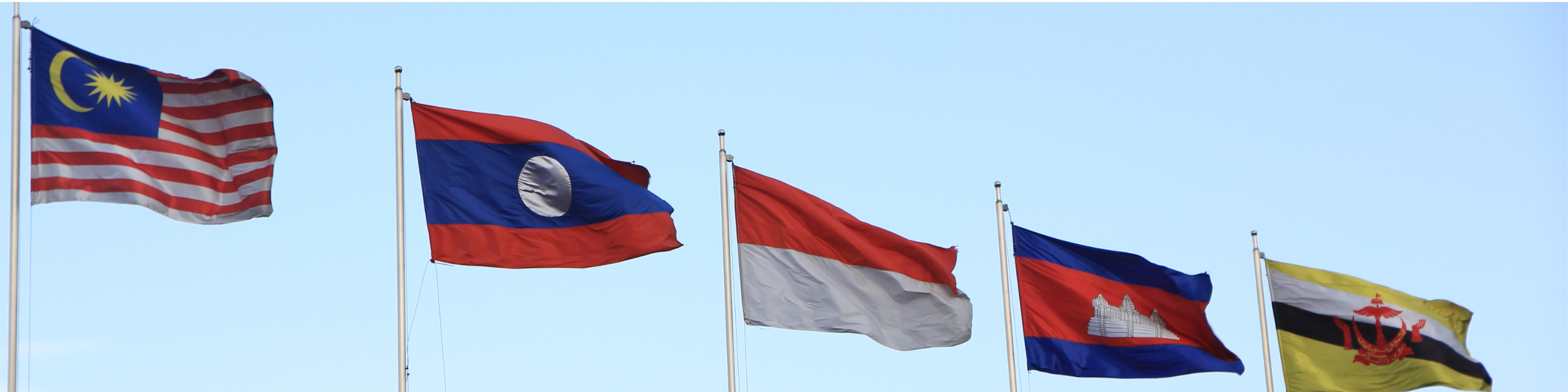
For Muhammad Uwais, the Model United Nations (MUN) is more than just a conference; it is a powerful platform for dialogue, growth, and global connection. At its core, MUN is a simulation of the United Nations General Assembly, where students take on the roles of country representatives to debate international issues and work collaboratively towards drafting resolutions.
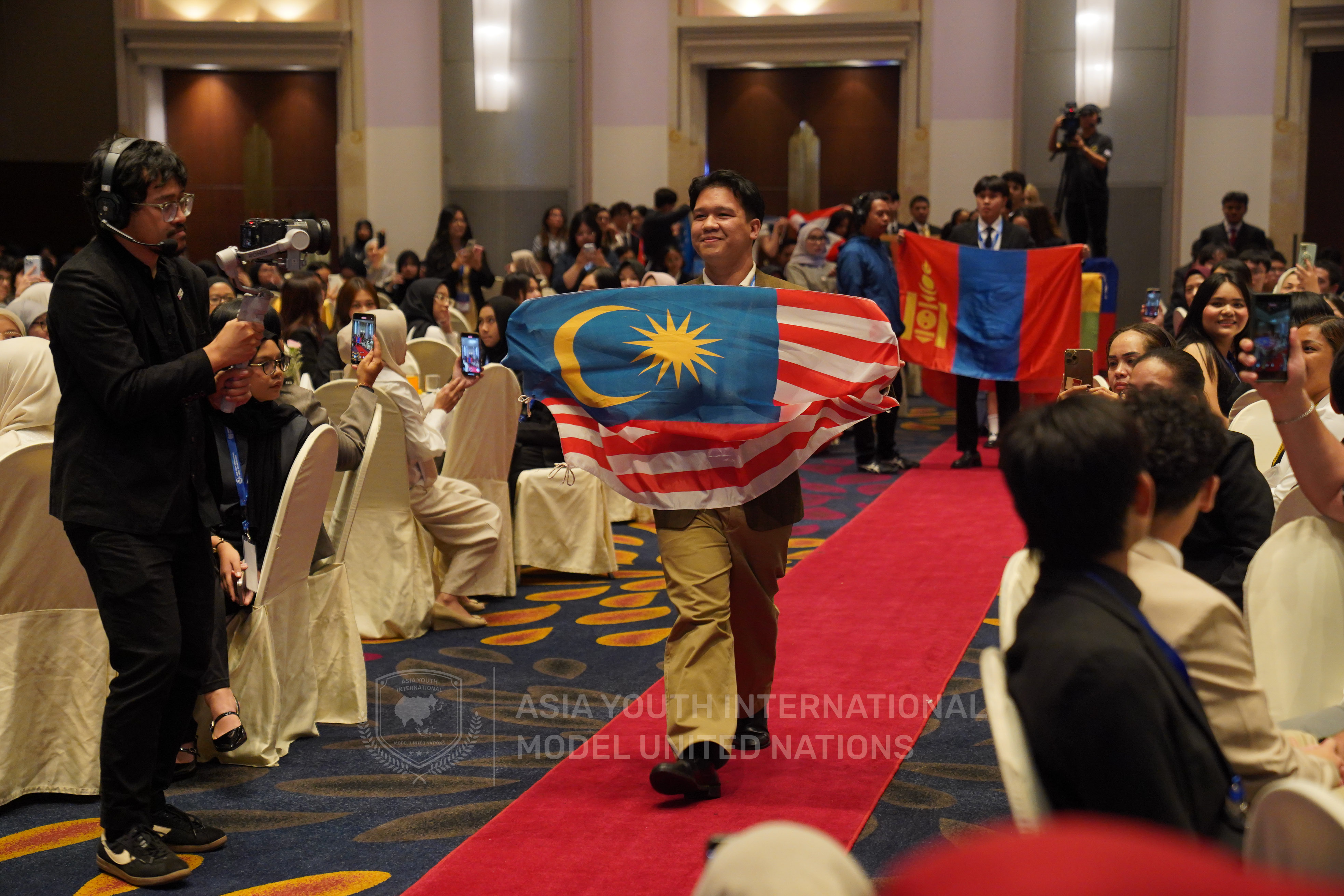
Uwais’ journey with MUN began during his high school years when he served as the captain of the debate team. He was first introduced to MUN through his mentee, a moment that would later come full circle. Over time, their roles reversed, with his former mentee becoming his guide and coach in navigating the complexities of MUN, a reminder that learning is often mutual and ever-evolving.
Reflecting on his most recent conference, Uwais shared that one of the most meaningful changes in his approach was engaging in active discussions about his committee topic well before the conference began. Tasked with addressing the sensitive issue of capital punishment, he sought perspectives from peers and lecturers at college in the days leading up to the event. These conversations exposed him to a wide range of viewpoints, helping him develop a more nuanced understanding of the topic and enabling him to participate more thoughtfully and confidently during committee sessions.
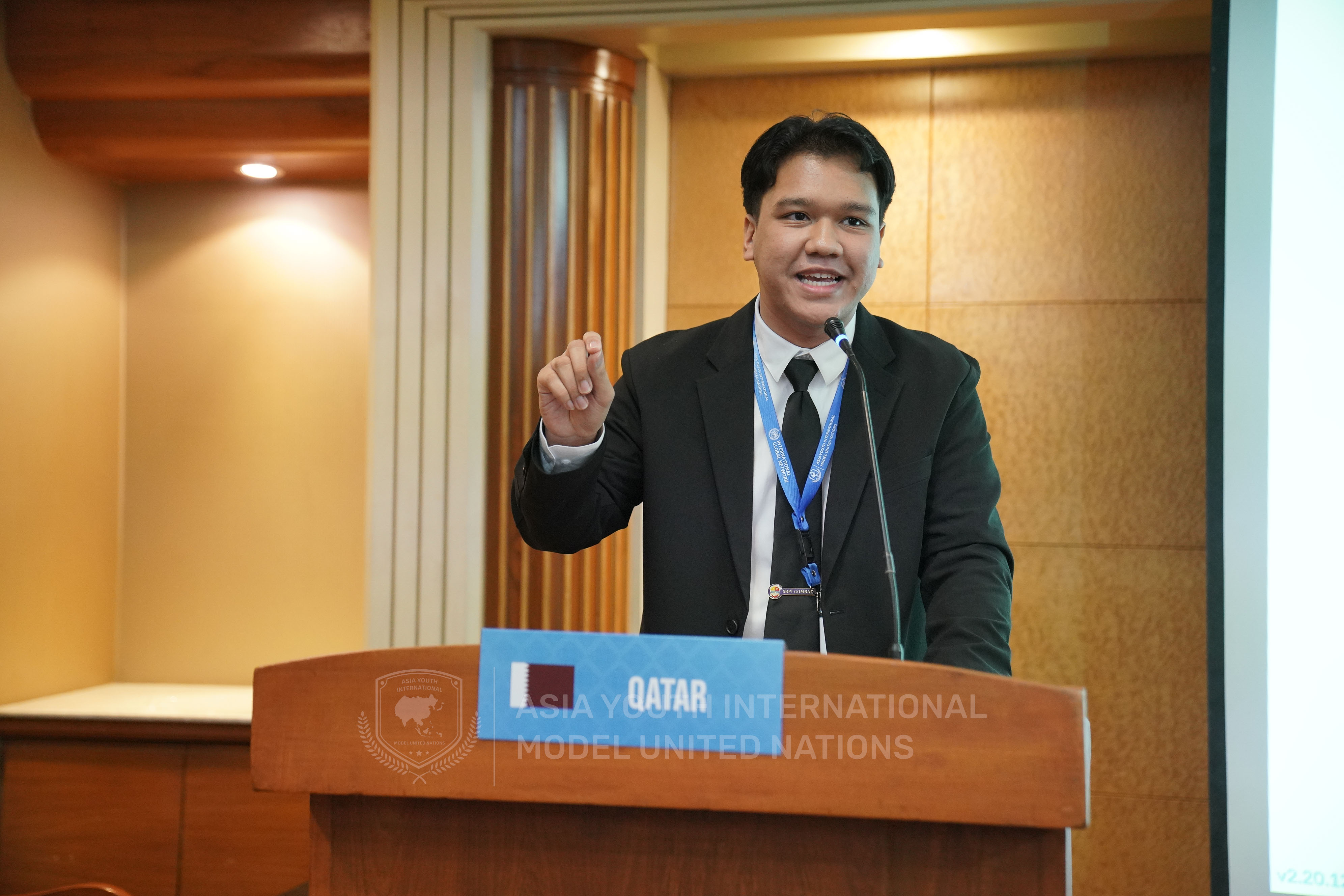
Among the many experiences at the conference, two moments stood out as particularly impactful. The first was receiving candid feedback from the chairs, whose encouragement and constructive criticism provided both humility and motivation. The second came after the closing ceremony, during heartfelt conversations with award recipients who openly shared their preparation strategies and personal growth journeys. Their generosity in offering advice left a lasting impression and inspired Uwais to continue striving for improvement.
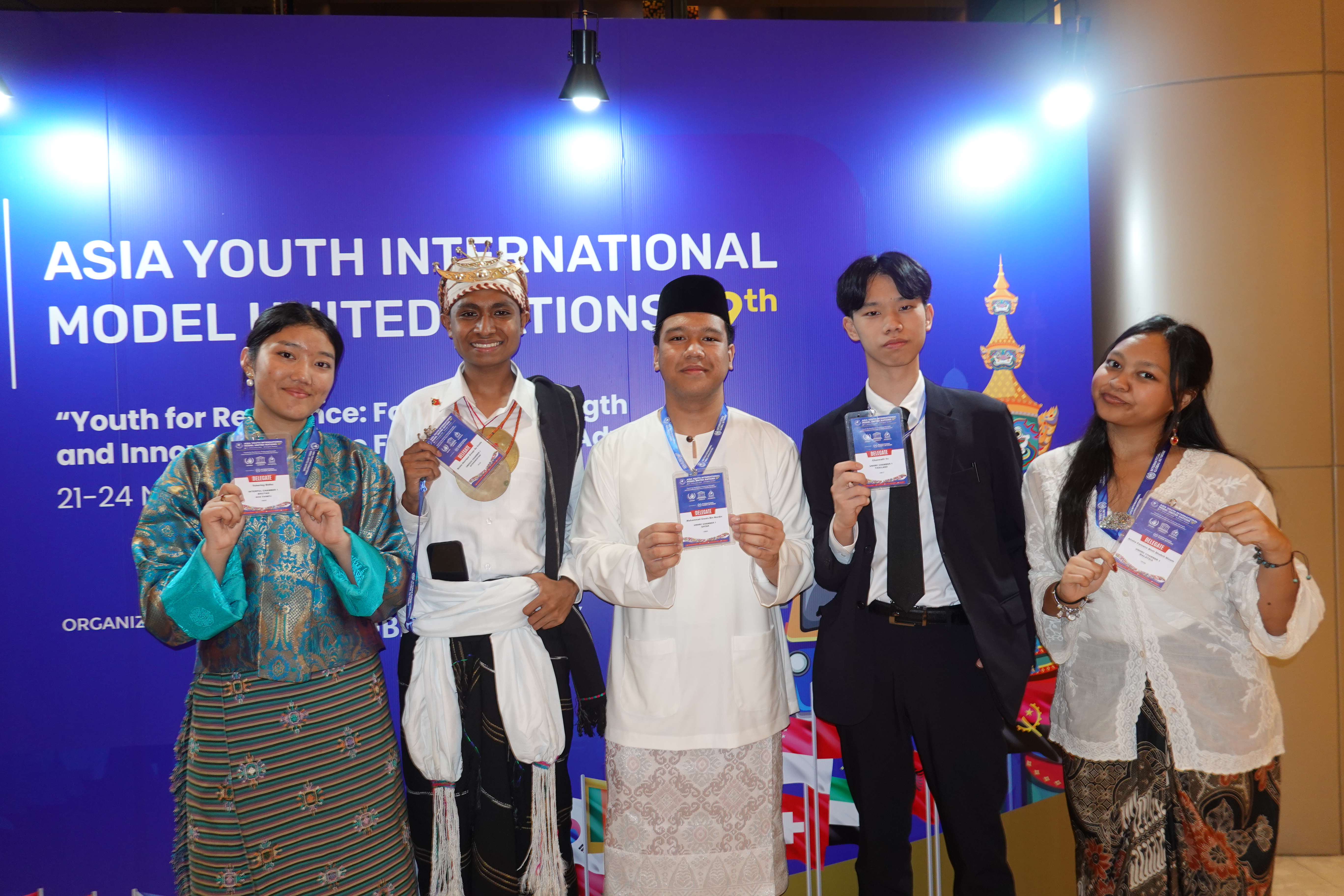
Equally memorable were the connections formed beyond the committee rooms. During the opening ceremony, Uwais met fellow delegates representing countries such as Bhutan, East Timor, Taiwan, and Canada. Despite their diverse backgrounds, these differences became the foundation for meaningful friendships. Over just four days, strong bonds were formed, making the emotional farewells on the final day a testament to the lasting impact of shared experiences and mutual understanding.
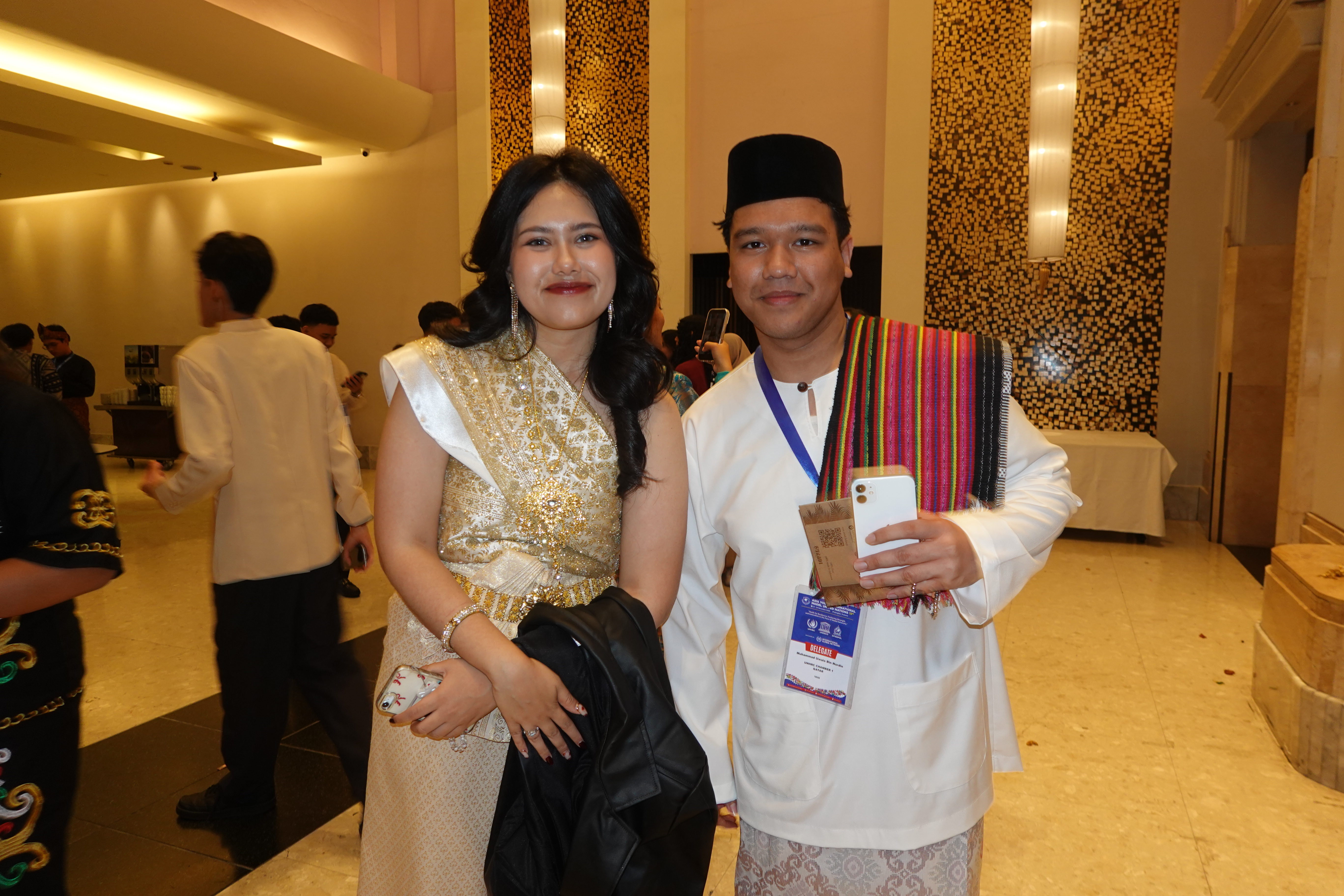
When asked about his key takeaways, Uwais emphasised the importance of embracing the experience wholeheartedly. For first-time delegates, his advice is to have fun and not be intimidated. Model UN provides a safe and supportive environment to develop public speaking skills, engage in debate, and collaborate with others. He believes that meaningful impact does not come from being the loudest voice in the room, but from being a thoughtful and well-prepared one.
For his teammates, Uwais offered a more challenging reminder: preparation is never truly complete. Delegates must be ready to articulate their country’s stance, historical context, and future direction at any moment. Representing a nation requires a deep and balanced understanding of the issues at hand, and success comes from continuous research, critical questioning, and constant refinement of one’s perspectives.
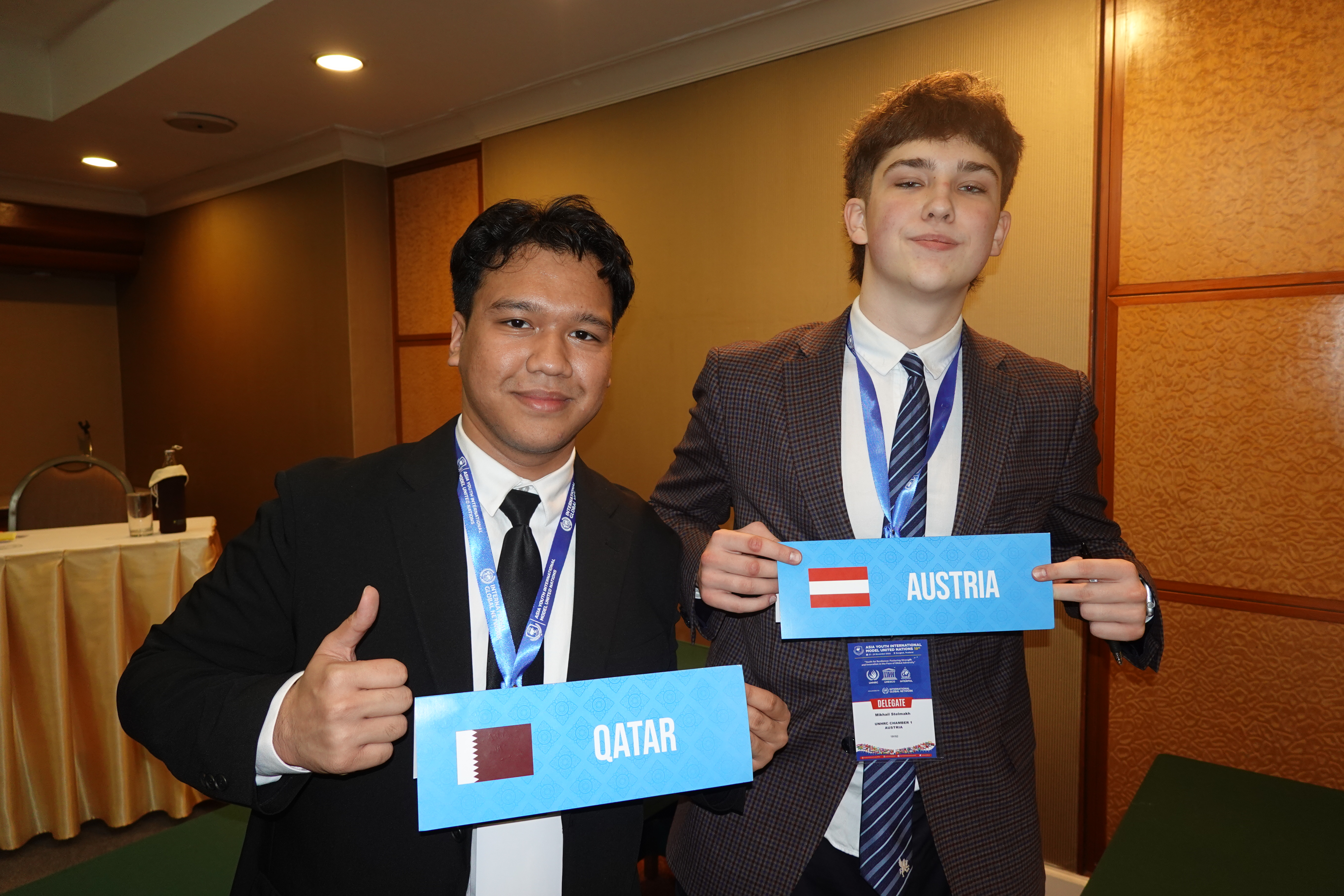
Through Model United Nations, Uwais has gained far more than conference experience, he has learned the value of diplomacy, empathy, and lifelong learning, lessons that will continue to shape him long after the conference ends.